harisleadgen8+foundationakron@gmail.com Mon–Fri: 7 AM–10 PM · Sat: 8 AM–10 PM · Sun: 7 AM–9 PM

Home / Services / Basement Waterproofing

Foundation help across Summit County

Basement Waterproofing Akron OH

A wet basement is a water management problem, and it is solvable. Waterproofing here means the interior drainage and sump systems that collect water at the foundation and remove it — explained honestly, including what they cannot do.

Call center hours — Mon–Fri: 7 AM–10 PM · Sat: 8 AM–10 PM · Sun: 7 AM–9 PM

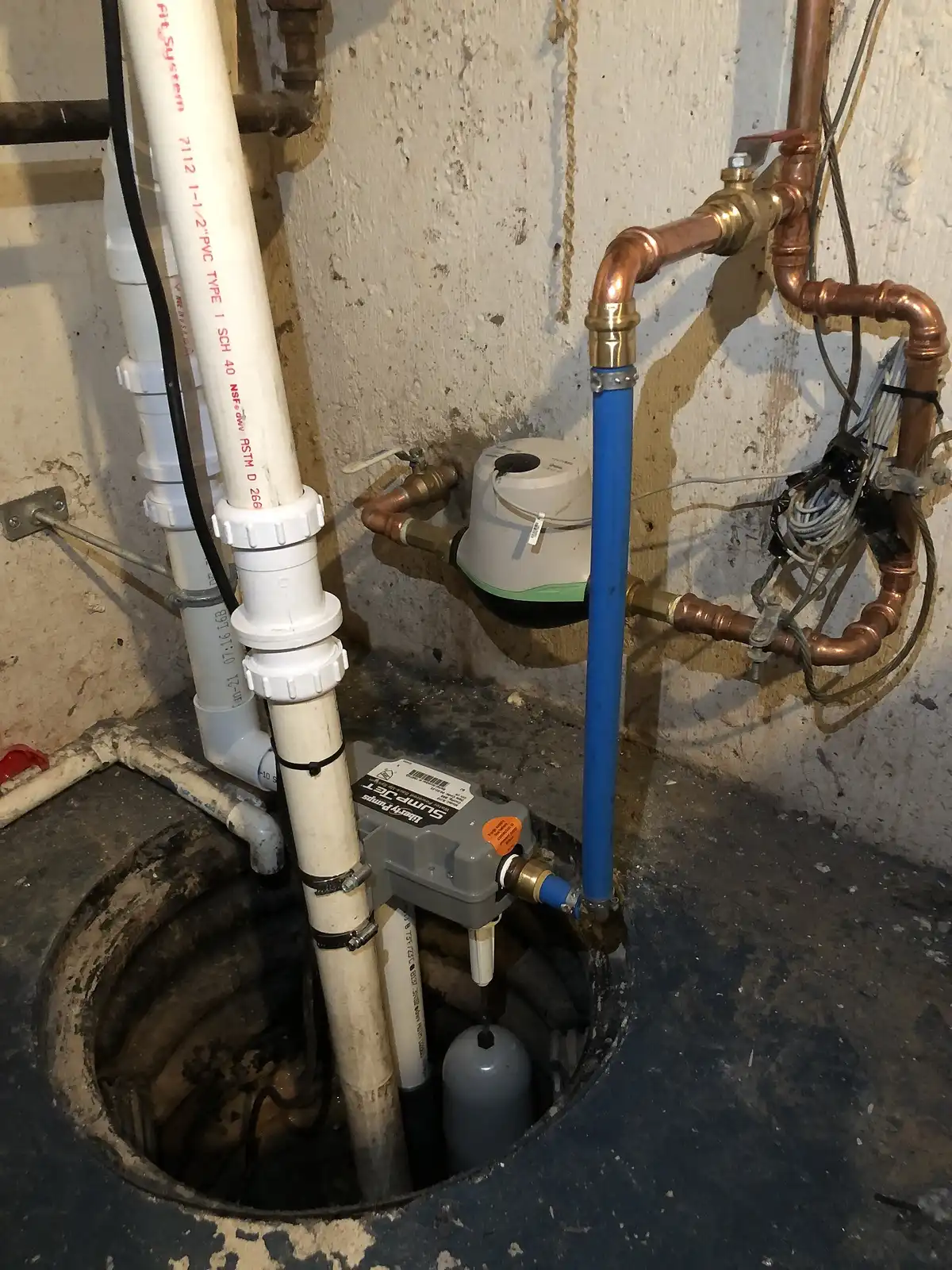
Sump pump system installed in a basement

The details

Understanding Basement Waterproofing in Akron, OH

Water enters an Akron basement in a few predictable ways: through the joint where the wall meets the floor (the cove joint), through cracks and porous block, under the floor when the water table rises, and over the top of the wall where grading and gutters fail. Real waterproofing addresses the entry route your basement actually has. The workhorse solution for most local homes is an interior drainage system: a channel and perforated pipe installed along the inside perimeter at the footing, collecting water before it surfaces and routing it to a sump pit, where a pump discharges it outside.

It is worth being precise about terms, because the industry blurs them. Interior systems manage water — they intercept it at the wall base and remove it, keeping the floor dry. Exterior waterproofing — excavation, membrane on the outside wall, new drain tile — stops water before it touches the wall, at considerably more disruption and cost. Sealers and coatings painted on interior walls are neither; they resist dampness at best and peel against real pressure. The assessment conversation covers which category your basement needs, and honest providers will tell you when a downspout extension and regrading solve more than any system.

  • Interior perimeter drainage is the standard fix for most Akron basements
  • Water entry route — cove joint, cracks, wall porosity — decides the design
  • Sump pump sizing and backup options are part of the system, not extras
  • Exterior excavation is reserved for cases interior work cannot solve

What's included

What Basement Waterproofing Includes

Interior drain system

A trench is opened along the inside of the footing, a perforated drain is bedded in washed gravel, and the floor is re-concreted over it. Water entering at the cove joint or through the wall base drops into the drain instead of spreading across your floor.

Sump pit and pump

The drain feeds a sealed sump pit. The pump is sized for your water volume — Akron spring conditions, not averages — and discharged through a line routed away from the foundation with freeze-conscious placement.

Backup protection

A pump that stops during a power outage fails exactly when storms are worst. Battery backup pumps, and water-powered backups where city pressure suits, keep the system working when the primary pump cannot.

Wall water management

Where water comes through block walls, a drainage board or channel on the wall directs it down into the perimeter drain, so the wall can dry to the inside instead of staining and efflorescing.

Crack and joint sealing within the system

Leaking cracks in the system's path are injected or routed into the drain, so every known entry route ends in the same managed place — the sump pit.

Exterior water corrections

Where the assessment shows surface water overwhelming the foundation — short downspouts, negative grading, a failed gutter — those corrections are scoped alongside, because no interior system should fight water that never needed to arrive.

How it works

Our Basement Waterproofing Process

1

Water assessment

You describe when water appears; the provider maps entry points, checks the water table signs, gutters, grading and any existing drain or sump.

2

System design

The drain layout, pit location and pump sizing are planned around your basement's layout and finished areas.

3

Written scope

The system, its components and any exterior corrections are set out in writing before work begins.

4

Installation

The perimeter trench is opened, drain and pit installed, pump fitted and discharge routed; the floor is re-concreted to a finished standard.

5

Testing and walkthrough

The system is flood-tested, the pump and backup demonstrated, and maintenance basics — pit checks, backup testing — explained.

Tools & methods

Tools and Methods for Basement Waterproofing

Concrete saws and trench tools

Clean, contained opening of the floor along the footing, with dust control for finished basements.

Washed gravel and rigid drain pipe

The drainage bed is built to resist the silt and iron bacteria that clog cheap flexible systems in Ohio soils.

Sump pumps and battery backups

Primary pumps sized to inflow, with backup systems that run through the outages that accompany the worst storms.

Moisture mapping

Meters and a practiced eye separate wall-base water from plumbing leaks and condensation — three problems with three different fixes.

Typical outcomes

Before and After Basement Waterproofing

Starting point: Water sheeting across the basement floor from the cove joint every spring thaw.

Finished result: Meltwater intercepted at the wall base and pumped out — the floor dry through the same thaw.

Starting point: A sump pit with an undersized pump that loses ground in heavy rain.

Finished result: A correctly sized pump with battery backup holding the pit level through a storm outage.

Starting point: Efflorescence and damp staining climbing a block wall, paint peeling yearly.

Finished result: Wall water routed into the drain; the wall drying out and staying dry.

Problems solved

Problems Solved by Basement Waterproofing

01

Cove joint leakage

The wall-floor joint is the most common entry in Akron basements — and the one interior drainage is designed exactly to solve.

02

Rising water table

In low-lying parts of the city, spring water rises under the floor. Only a drain-and-pump system relieves that pressure continuously.

03

Failed old drainage

Original clay or early plastic drain tile clogs and collapses with age. When the old system dies, the basement it protected for decades gets wet within a season or two.

Local factors

Basement Waterproofing and Akron Homes

Akron's waterproofing calendar peaks twice: the spring thaw, when snowmelt meets saturated clay and the water table tops out, and the late-summer thunderstorm season, when short, violent rain overwhelms gutters and grading. A system designed here is sized for the March version of your basement, not the August one — the assessment will ask about your worst water event, because that is the design case.

Local soils add a maintenance note: parts of Summit County have iron-rich groundwater, and iron bacteria can slowly clog drain systems with orange sludge. Providers working locally build with cleanable, rigid systems and will tell you honestly if your water chemistry suggests a maintenance interval. It is the kind of detail that separates a system designed for Akron from a system designed for a brochure.

Good questions

Basement Waterproofing — Frequently Asked Questions

Most Akron basements are solved from the interior: it addresses the cove joint and water table, the two dominant local entry routes, without excavation. Exterior work is called for when the wall itself is deteriorated, when exterior drainage has failed completely, or when a structural repair already requires excavation. The assessment makes the call from your basement's evidence.

The system manages it: wall water is captured by drainage board or channel and routed to the drain before it reaches your floor or finishes. The wall may still transmit moisture at its base during peak water, but it no longer delivers water into the room — and walls dry noticeably once the base is drained.

That is exactly when the sump matters most, which is why backup is part of the design conversation: a battery backup pump sized to carry the system through typical outage windows. Without one, a spring storm outage can flood a basement whose system works perfectly the rest of the year.

Yes, with more care: work areas are contained, finishes along the perimeter are opened as needed and the floor is restored. The scope sets out exactly which finishes are affected so there are no surprises.

Maybe not. Dampness without liquid water can be condensation or minor seepage that grading, downspout and dehumidification corrections solve. The assessment distinguishes damp from wet honestly — a system is for water that arrives as liquid and pools or flows.

Ready when you are

Need Basement Waterproofing in Akron?

One call connects you with an independent local provider. Describe the problem, hear your options, and schedule the assessment.

Call Now

Get in touch

Contact Us for Basement Waterproofing

Call to be connected with a local foundation repair provider serving Akron and nearby areas. Share the details of the job on the call — what is happening, where you are, and when you would like the work done — and the next step will be set up from there.

Prefer to write first? Email the details and a reply will follow during call center hours.

Call

Speak with the call center and get connected with a local provider.

Call Now

Mon–Fri: 7 AM–10 PM · Sat: 8 AM–10 PM · Sun: 7 AM–9 PM

Email

harisleadgen8+foundationakron@gmail.com

For non-urgent questions and project details.

Service area

Akron, OH and surrounding communities — see the areas page for the full list.

Questions?Call Now